

Introduction
Lighting isn’t just about brightening a space — it sets the entire mood of your home. The right lighting can make a room feel cozy, spacious, romantic, energetic, or even luxurious. The wrong lighting, though? It can flatten your décor, strain your eyes, or make your beautifully designed room feel dull.
The good news is that choosing the perfect lighting doesn’t have to be confusing. Once you understand the basics, you’ll be able to create rooms that feel balanced, functional, and visually stunning. In this guide, we’ll break down everything you need to know about lighting every room in your home with style and purpose.
1. Understanding the Three Types of Lighting
Before diving into room-by-room strategies, it’s essential to understand the three main types of lighting. A perfect lighting design uses all three in thoughtful layers.
Ambient Lighting
This is your main source of light — the glow that fills the entire room. Think:
-
Ceiling lights
-
Chandeliers
-
Recessed lighting
-
Large overhead fixtures
Ambient lighting sets the foundation for visibility and comfort.
Task Lighting
Task lighting focuses on specific activities like reading, cooking, applying makeup, or working. Examples include:
-
Desk lamps
-
Under-cabinet lights
-
Bedside lamps
-
Vanity mirror lighting
Task lighting makes everyday activities easier and safer.
Accent Lighting
Accent lighting highlights features, textures, and décor. It adds depth and visual interest to a room. Examples include:
-
Wall sconces
-
Picture lights
-
LED strips
-
Spotlights
Think of accent lighting as the “makeup” of a room — subtle, but powerful.
2. Factors to Consider Before Choosing Lighting
Room Size & Layout
Larger rooms require multiple light sources, while small rooms may only need two or three. High ceilings also influence the type of lighting fixture you should choose. For example, a vaulted ceiling may need long pendant lights, while a low ceiling might be better suited for flush mounts.
Natural Light Availability
Rooms with big windows may only need minimal artificial lighting during the day. Meanwhile, darker rooms must rely more heavily on ambient and task lighting. Take note of how much sunlight each room gets and adjust accordingly.
Color Scheme & Mood
Light interacts with color in surprising ways. Dark walls absorb light, while light walls reflect it. Warm tones create a cozy vibe, while cool tones make a space feel fresh and modern. Consider the emotional experience you want each room to evoke.
3. Living Room Lighting Ideas
Layered Lighting for Comfort
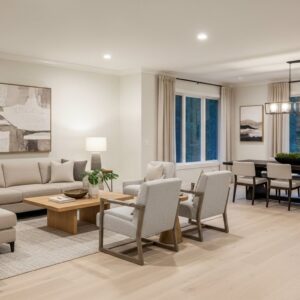
The living room is where you relax, host guests, and spend quality time — so lighting needs to be versatile. Combine:
-
Overhead lights for overall brightness
-
Table lamps for soft evening lighting
-
Floor lamps for reading
-
LED strips behind TV units for ambience
A mix of layers creates a warm, inviting atmosphere.
Statement Fixtures for Style
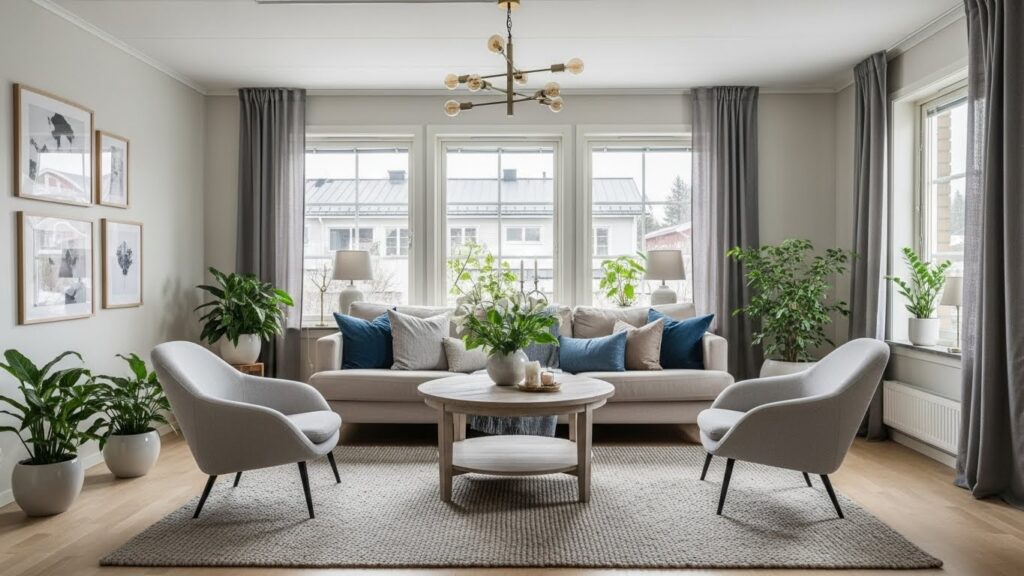
A bold chandelier or modern pendant light can instantly elevate your living room. Think of it as jewelry for your space — the right piece draws attention and defines your style.
4. Kitchen Lighting Essentials
Under-Cabinet Lighting
Under-cabinet lights illuminate countertops, making meal prep safer and easier. They also add a modern glow that feels both practical and stylish.
Pendant Lights for Islands
Kitchen islands are the heart of modern homes. Pendant lights hung at the right height create a perfect blend of function and beauty. Choose three matching pendants for a balanced, upscale look.
5. Bedroom Lighting Tips
Warm Lighting for Relaxation
Your bedroom should feel like a relaxing retreat. Warm light bulbs (2700k–3000k) create a cozy, soothing environment perfect for winding down.
Bedside Task Lighting
Reading before bed? Bedside lamps or mounted sconces are ideal. Choose adjustable or dimmable options to avoid disturbing your partner.
6. Bathroom Lighting Recommendations
Vanity Lighting
Applying makeup or shaving requires bright, even lighting. Install lights at face level on both sides of the mirror to eliminate shadows.
Avoiding Shadows & Harsh Glares
Overhead-only lighting in bathrooms can cast unflattering shadows. A combination of ceiling lights + mirror lights gives you accurate illumination.
7. Dining Room Lighting Ideas
Chandeliers & Focal Fixtures
A dining table deserves a stunning overhead fixture. Chandeliers, linear pendants, or globe lights work beautifully depending on your décor style.
Dimmable Lighting Options
Dimmers let you switch from bright family dinners to soft, romantic lighting instantly. It’s a small upgrade that makes a big difference.
8. Home Office Lighting Setup
Eye-Friendly Task Lighting
A desk lamp with adjustable brightness protects your eyes during long working hours. Look for lamps with:
-
Flicker-free lighting
-
Adjustable color temperature
-
Directional lighting
Preventing Screen Glare
Place lights beside or behind your screen — never directly in front of it. This reduces reflections and headaches.
9. Entryway & Hallway Lighting Tips
First Impression Lighting
Your entryway is the first thing guests see, so make it feel warm and welcoming. Wall sconces, pendant lights, or a chandelier can instantly elevate the space.
Using Wall Sconces for Ambience
Sconces in hallways or staircases provide soft, indirect lighting that feels elegant and calming.
10. Smart Lighting Systems for Modern Homes
Voice-Controlled Lighting
Smart bulbs and smart switches allow you to control lights with your voice or phone. You can:
-
Adjust brightness
-
Change colors
-
Schedule lighting routines
Perfect for tech-savvy homes.
Energy-Efficient LED Solutions
LEDs last longer, use less energy, and produce cleaner light. They come in countless shapes and colors, making them ideal for every room.
Conclusion
Lighting is one of the most powerful tools in home design. It influences mood, enhances décor, improves functionality, and transforms ordinary rooms into extraordinary spaces. By layering ambient, task, and accent lighting — and choosing fixtures that match each room’s purpose — you’ll create a home that feels warm, inviting, and beautifully illuminated.
The perfect lighting isn’t just about brightness; it’s about balance, atmosphere, and intention. Start small, experiment with different ideas, and watch your home come alive one light at a time.
FAQs
1. What type of lighting is most important in a home?
All three types — ambient, task, and accent lighting — are important because they serve different purposes and work best when layered together.
2. Which light temperature is best for bedrooms?
Warm lights (2700k–3000k) are ideal since they create a calming, comfortable atmosphere.
3. Should I use LED bulbs for every room?
Yes. LEDs are energy-efficient, long-lasting, and available in various brightness levels and colors.
4. How do I choose the right size of chandelier for a dining room?
Add the room’s length and width in feet — that total (in inches) is the ideal chandelier diameter.
5. What is the easiest lighting upgrade for beginners?
Replacing old bulbs with warm LEDs or adding inexpensive table lamps can transform a room without major installation.