

Introduction
Minimalist home design isn’t just a trend — it’s a mindset. It’s about creating a space that feels peaceful, clean, and meaningful. In today’s fast-paced world, many of us crave calmness at home, a place where the noise of life melts away. Minimalism gives us that escape.
The best part? You don’t need expensive furniture or a complete home makeover to achieve a minimalist look. With thoughtful choices and intentional decluttering, you can transform your home into a refreshing, organized, and stylish retreat. Let’s explore simple ways to declutter, refresh, and elevate your space with minimalist design.
1. Understanding Minimalism in Home Design
What Minimalism Really Means
Minimalism is about living with purpose. It doesn’t mean empty rooms or boring décor — it means choosing only what adds value, comfort, or joy. Every piece in your home should serve a function or spark happiness.
Think of minimalism as giving your home room to breathe.
Benefits of a Minimalist Lifestyle
A minimalist home offers:
-
Less stress and mental clutter
-
Easier cleaning and maintenance
-
More space and openness
-
A peaceful, hotel-like atmosphere
It’s amazing how freeing your home can feel when you let go of excess.
2. Start With a Room-by-Room Declutter
The “Keep, Donate, Toss” Method
Decluttering can be overwhelming, so break it into smaller decisions:
-
Keep what you use or love
-
Donate items in good condition
-
Toss what’s damaged or unnecessary
Work through one room at a time — progress is progress.
Rules for Letting Go
A few questions can help:
-
Have I used this in the last year?
-
Does this item make my life easier?
-
Am I keeping it out of guilt or habit?
Minimalism begins with honesty.
3. Choose a Clean and Calming Color Palette
Best Colors for Minimalist Spaces
Minimalist design thrives on simplicity. Soft, neutral shades help create a calm atmosphere:
-
White
-
Beige
-
Taupe
-
Soft gray
-
Cream
-
Warm sand tones
These colors make rooms feel bigger and brighter.
How Neutrals Create Visual Harmony
Neutral tones reduce visual noise. They help your eyes relax and make your home feel naturally balanced. With a minimal palette, every object feels intentional instead of overwhelming.
4. Simplify Your Furniture Choices
Functional, Multi-Purpose Furniture
Minimalist homes love furniture that works hard:
-
Storage ottomans
-
Convertible sofas
-
Beds with drawers
-
Extendable dining tables
When pieces serve multiple purposes, you need fewer items overall.
Choosing Timeless Over Trendy
Trendy designs come and go, but timeless pieces last for years. Clean lines, natural materials, and solid construction are the foundation of minimalist furniture.
5. Maximize Storage the Minimalist Way
Hidden Storage Solutions
Minimalism doesn’t mean having nothing. It means storing things smartly. Try:
-
Baskets
-
Under-bed storage
-
Built-in cabinets
-
Closed shelving units
Out of sight = out of mind.
Vertical Storage Tricks
Use your walls:
-
Floating shelves
-
Tall cabinets
-
Wall hooks
-
Narrow vertical bookcases
Going upward saves floor space and keeps your layout clean.
6. Embrace Open Spaces & Airy Layouts
The Power of Negative Space
Minimalism celebrates empty space. That “unused” area is actually intentional — it gives your eyes a place to rest and makes your room look bigger.
How to Rearrange Furniture for Flow
Ask yourself:
-
Can I walk freely through the room?
-
Is too much furniture blocking light?
-
Can I remove one item to improve flow?
Simple rearrangements can transform your entire layout.
7. Use Décor Intentionally
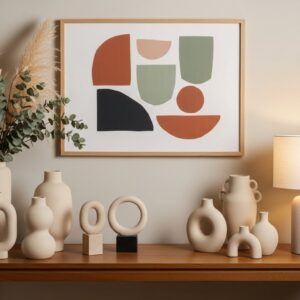
One Statement Piece Per Room
Instead of filling your shelves with knick-knacks, choose just one or two items that truly stand out. This could be:
-
A stunning painting
-
A unique lamp
-
A beautiful vase
Intentional décor feels more luxurious than cluttered displays.
Natural Elements as Décor
Plants, wood, stone, and woven textures add warmth to minimalist spaces. They make your home feel alive without overwhelming the design.
8. Minimize Digital & Visual Clutter
Cable Management Tips
Nothing ruins a minimalist vibe like messy cords. Try:
-
Cable organizers
-
Cord covers
-
Wireless charging pads
-
Power strips hidden in boxes
A few adjustments instantly clean up your space.
Reducing Wall and Surface Clutter
Limit how many items you keep on display. Leave empty space on shelves, coffee tables, and countertops — it makes rooms feel cleaner and more intentional.
9. Incorporate Light & Natural Textures
Using Natural Light as a Design Feature
Let sunlight be your décor. Open the blinds, choose light curtains, and avoid blocking windows with bulky furniture. Natural light enhances every minimalist element.
Textures That Enhance Minimalism
Minimalism loves subtle textures:
-
Linen
-
Wool
-
Rattan
-
Bamboo
-
Matte finishes
These introduce warmth without overpowering your design.
10. Build a Maintenance Routine for a Clutter-Free Home
Daily 10-Minute Reset
Spend 10 minutes each night tidying surfaces, folding blankets, or putting items back where they belong. It keeps clutter from piling up.
Monthly Minimalist Check-In
Once a month, walk through your home and remove items you no longer need. This prevents clutter from creeping back in and helps you maintain a peaceful space year-round.
Conclusion
Minimalist home design isn’t about having less — it’s about making room for what matters most. By decluttering intentionally, using calming colors, choosing functional furniture, and embracing open space, you can refresh your home without stress or overspending. Minimalism creates a space where you can think clearly, breathe deeply, and truly relax. Start small, stay consistent, and enjoy the simplicity and beauty that minimalism brings into your life.
FAQs
1. Do I need to get rid of everything to be a minimalist?
Not at all. Minimalism is about keeping what adds value, not living in an empty space.
2. Can minimalist homes still feel warm and cozy?
Yes! Warm neutrals, soft textures, and natural materials help create a cozy minimalist environment.
3. What’s the easiest room to start minimizing?
Start with the bedroom — it declutters your mind and sets the tone for the rest of your home.
4. How do I maintain a minimalist home long-term?
Do daily resets, monthly decluttering sessions, and avoid impulse buying.
5. Is minimalist design expensive?
No. Minimalism often saves money because you buy fewer items and focus on essential, long-lasting pieces.